How a Reverse Mortgage Works
(In Simple Terms)
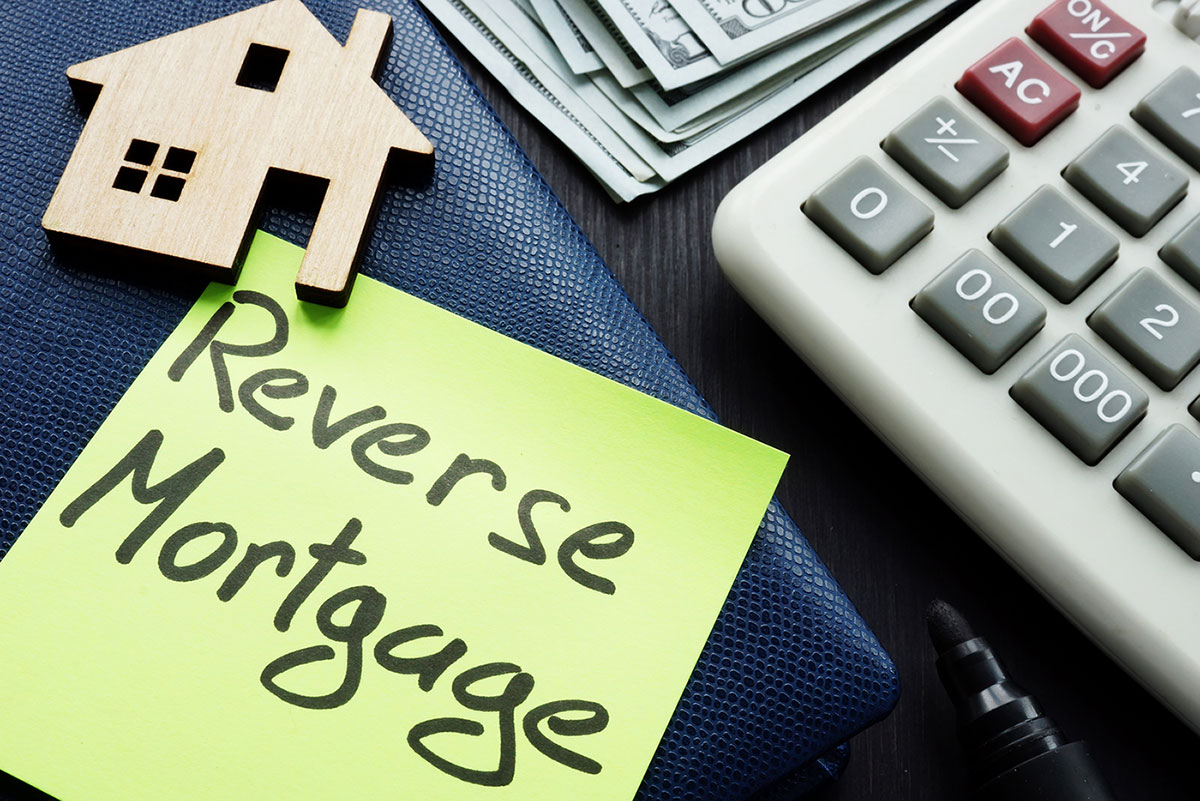
With a reverse mortgage: You access a portion of your home's equity
Funds can be received as a:
- Lump sum
- Monthly payments
- Line of credit
- Or a combination
- No required monthly mortgage payments
You remain responsible for:
- Property taxes
- Homeowners insurance
- Basic home maintenance
The amount available depends on:
- Your age
- Your home's value
- Current interest rates
- Any existing mortgage balance
Most reverse mortgages today are HECM loans, which are federally insured and include built-in consumer protections.
Common Concerns I Hear (And the Truth)
"Will the bank take my home?"
No. You keep ownership and title.
"What about my children or heirs?"
Your heirs have options, including selling the home, refinancing, or walking away with no personal liability.
"Is this only for people in financial trouble?"
Not at all. Many financially stable homeowners use reverse mortgages strategically to protect savings and create flexibility.
Education removes fear — and that's always my goal.
Why I Approach Reverse Mortgages Differently
I believe reverse mortgages should be:
- Clearly explained
- Thoughtfully evaluated
- Ethically offered
As a California-licensed reverse mortgage specialist, I focus on education first. Whether a reverse mortgage makes sense for you or not, you'll walk away with clarity and confidence in your decision.
There is no pressure — just honest guidance tailored to your situation.
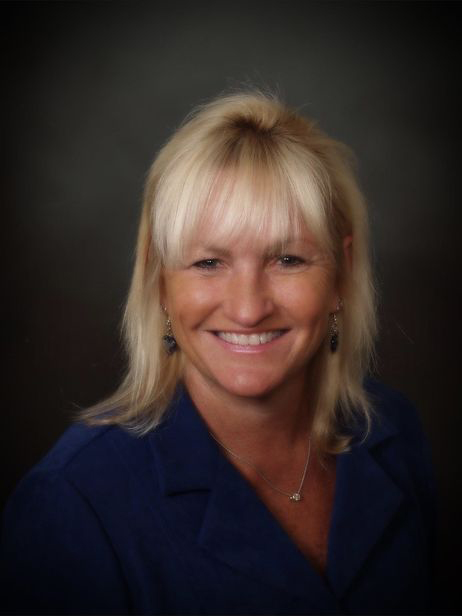
Let's Talk Through Your Options
If you're curious about how a reverse mortgage could fit into your retirement plan — or you simply want straight answers — I'm happy to help.
Schedule a no-pressure consultation
Ask questions. Get clarity. Decide at your pace.
Reverse mortgages are available to qualified California homeowners age 62 and older. Programs and guidelines may vary.